Meme coin trading versus holding blue chips which is better for risk-adjusted returns
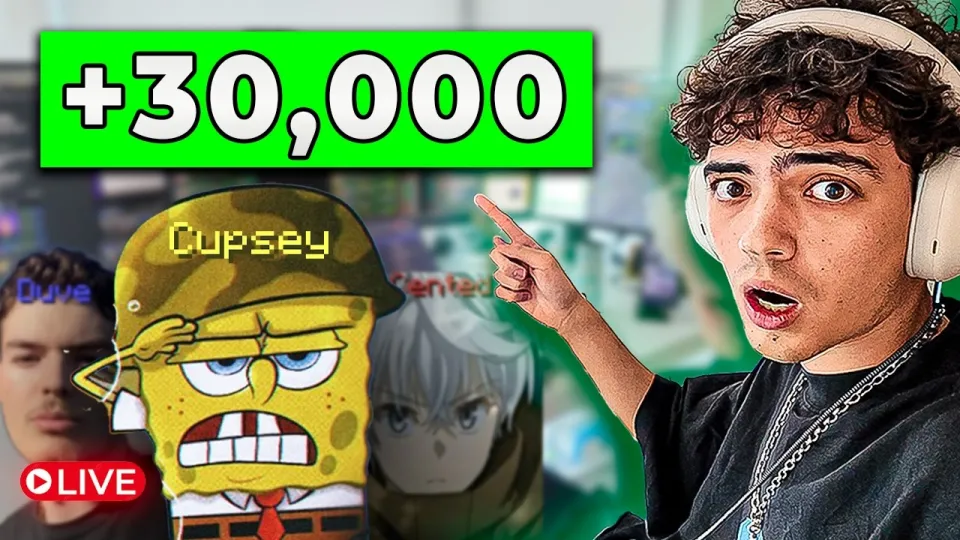
Video: I Traded With The World’s #1 Memecoin Trader
Want articles like this for your own video to promote it on YouTube and Google? Order them through the Telegram bot @sat_sit_bot. The bot writes and publishes the articles itself (with your YouTube video embedded) on popular topical websites (no ads). Try it free: 50 articles on us.
A meme coin is a token whose price is driven by attention, liquidity and narrative rather than revenue or cash flow, so the honest answer to whether it is worth trading is: only with strict position sizing, fast execution and a clear exit plan. Treat meme coins as a high-risk satellite around a core portfolio, not as a savings vehicle, and use a dedicated terminal such as Padre so entries, exits and wallet tracking happen in one place.
The question becomes concrete when you watch professionals work. In the Ethan Prosper video I Traded With The World's #1 Memecoin Trader, the host sits with trader Cupsey for a live Solana session on new pairs, and the P&L numbers are measured in hundreds of SOL rather than percentages. That scale is real, but it comes from a specific process, not from luck alone.
What a meme coin actually is and why the category behaves differently
A meme coin has no intrinsic cash flow, so its price is a function of liquidity, holder distribution and the speed at which a narrative spreads. That makes the asset class structurally different from large-cap crypto: supply can be created in minutes on launchpads such as pump.fun, and the same speed that creates upside also creates rug pulls, sniper bots and instant 80% drawdowns.
The practical consequences are simple. First, liquidity is thin, so your own order moves the price. Second, the tradable window for a new pair is often minutes to hours, not months. Third, the edge belongs to whoever reads on-chain flow fastest, which is why terminals and wallet trackers exist. Anyone entering this market should assume the token can go to zero and size accordingly.
How top traders actually operate in a live session
The session in the video is a sequence of short-lived trades rather than one big bet, and each entry follows the same loop. Cupsey's wallet is public, which is part of the point: the process is verifiable, not just claimed.
- Scan new launches and trending pairs for unusual buy pressure and holder growth.
- Check the developer's history and whether early wallets are clustered or look like insider bundles.
- Enter small, immediately after confirmation of demand, not after a vertical candle.
- Scale out in tranches as the price extends, keeping a hard invalidation level.
- Cut fast when volume fades; a dead chart is a signal to leave, not to average down.
In the video the trades include early positions that produced roughly +200 SOL, a Grok-themed token that added about $15,000, and an AI-narrative launch that returned around +80 SOL. The pattern across all of them is the same: the profit came from being early and exiting into strength, not from holding through the cycle.
Why speed trading is the hardest style and who should avoid it
The honest framing is that this is the most difficult version of crypto trading that exists. It requires long screen sessions, multiple wallets, instant execution and emotional tolerance for rapid losses. The most liked comment under the video makes exactly this point: these are speed traders running 10+ hour days on new pairs, and nobody has to trade this way to make money.
Alternatives that keep the meme coin exposure but reduce the operational burden include trading established, higher-liquidity meme coins with wider stops, waiting for a narrative to survive its first week before entering, or simply holding a large-cap core and treating meme positions as a small speculative sleeve. If you cannot watch a chart for hours, the speed style will cost you money.
Position sizing and risk rules that keep you in the game
Risk control is what separates a repeatable process from gambling, and it can be written down in advance. Decide the maximum you are willing to lose on the entire meme coin sleeve, then divide it across individual trades so that no single token can end your session.
- Cap any single new-pair trade at a small fraction of the sleeve, because the probability of a total loss is genuinely non-zero.
- Pre-define the exit before entry: a percentage stop, a liquidity threshold, or a time limit.
- Take partial profits on the way up; unrealized gains in a thin market are not money yet.
- Avoid adding to losers; new-pair charts rarely recover their structure.
- Keep the trading wallet separate from long-term holdings, and never fund it from money you need.
The multi-wallet criticism in the comments is worth taking seriously: large players do use several wallets and can exit into retail demand. Your defense is not outrage, it is smaller size and faster exits than the crowd.
Tools, wallets and links from the session
The video leans on a dedicated Solana trading terminal rather than a generic exchange interface, because speed and on-chain data decide outcomes. Registration and terminal access are available through Padre, and the host's other resources are listed on his site.
- Terminal used for execution: https://trade.padre.gg/rk/prosper
- Host's links and resources: https://ethanprosper.com
- Trader Cupsey on X: https://x.com/cupseyy
- Free community: https://discord.gg/solmafia
- Paid research community: https://www.joinpastel.com/r/ref=ETHAN
Common questions from viewers of the session
Viewers watching live trading usually ask the same practical things, and they are worth answering directly. The recurring themes are the jargon, the starting capital, and whether copying wallets works.
What does "faucet" mean in this context? It refers to a source of small amounts of tokens or SOL used to fund wallets for testing and gas, not a strategy.
How much do you need to start? You can begin with a fraction of a SOL because Solana fees are tiny, but small capital means small absolute returns; the percentage risk rules matter more than the starting number.
Does copy trading meme coins work? Copying a profitable wallet lags by seconds and misses their exits, so it usually captures the losses and not the gains; tracking wallets as a signal source is more realistic than blind mirroring.
How do you choose which coins to buy? Look for genuine holder growth, a dev wallet that is not dumping, and a narrative that newcomers can understand in one sentence.
Conclusion
The meme coin market rewards speed, discipline and information, and the live session from Ethan Prosper shows both the size of the opportunity and the intensity required to capture it. Hundreds of SOL in a single sitting is possible on Solana, but it is the output of a full-time process with hard exits, not a shortcut. Most people are better served by a large-cap core plus a small, strictly sized speculative sleeve, and by treating every new pair as money already at risk. If you want to study the execution side yourself, the channel's walkthroughs and the terminal at Padre are the practical starting point.
Key takeaways
- A meme coin is a high-volatility token driven by attention, liquidity and narrative rather than cash flow or fundamentals.
- In the Ethan Prosper session with trader Cupsey, single trades produced results measured in hundreds of SOL, including roughly +200 SOL on early entries and about +80 SOL on an AI-themed launch.
- Speed trading new Solana pairs means 10+ hour sessions, multi-wallet execution and fast exits; most retail participants do not need this style to profit.
- Tools matter: a trading terminal such as https://trade.padre.gg/rk/prosper gives charting, execution and wallet tracking in one place.
- Position sizing and pre-set invalidation levels separate survivable meme coin trading from lottery tickets.
Questions & answers
Is meme coin trading profitable for beginners?
It can be, but the base rate is poor: most new pairs fail and the edge belongs to fast, experienced traders. Beginners should start with a small speculative budget, pre-set exits and higher-liquidity meme coins rather than brand-new launches.
How much capital do I need to trade meme coins on Solana?
Solana fees are fractions of a cent, so a fraction of a SOL is technically enough to start. The constraint is not the minimum deposit but position sizing: risk only a small share of your total capital per trade so a total loss does not end your session.
Does copy trading top meme coin wallets work?
Blindly mirroring a profitable wallet usually lags by seconds and misses the exit, which is where most of the result is made. Using those wallets as a signal to research a token yourself is more realistic than automated copying.
What should I check before buying a new meme coin?
Check holder growth and distribution, whether the developer wallet is selling, how much liquidity sits in the pool, and whether the narrative can be explained in one sentence. If volume is already fading, the trade has likely passed.
Source: I Traded With The World’s #1 Memecoin Trader · Markdown version